
 +65 64766821
Get In Touch
+65 64766821Book An Appointment

Chemical Peels in Singapore

Dr Koh Hong Yi
Senior Consultant Dermatologist
 MBBS (Singapore), MRCP (UK), MMed (Internal Medicine), FAMS (Dermatology)
Dr Tham Siew Nee
Senior Consultant Dermatologist
MBBS (Adelaide), MMed (Internal Medicine), FAMS (Dermatology)Chemical peel treatment is a specialised medical process focused on correcting surface-level skin damage, textural irregularities, and pigmentary concerns. Because the skin's appearance can be compromised by sun damage, acne, or the natural accumulation of dead cells, peels offer a controlled method to reveal fresher, more uniform skin. While the skin naturally exfoliates, a clinical peel represents a targeted resurfacing approach to improve the skin's surface architecture that requires professional dermatological intervention to perform safely and effectively.
Although the effects of environmental exposure or scarring cannot be reversed instantly, they can be significantly improved through a modern dermatological approach. Treatment success relies on three core pillars: an accurate clinical diagnosis of your skin's specific needs, a personalised selection of chemical agents and concentrations calibrated to your unique skin type, and consistent, long-term dermatological care to maintain the newly improved skin barrier.



What Are Chemical Peels?
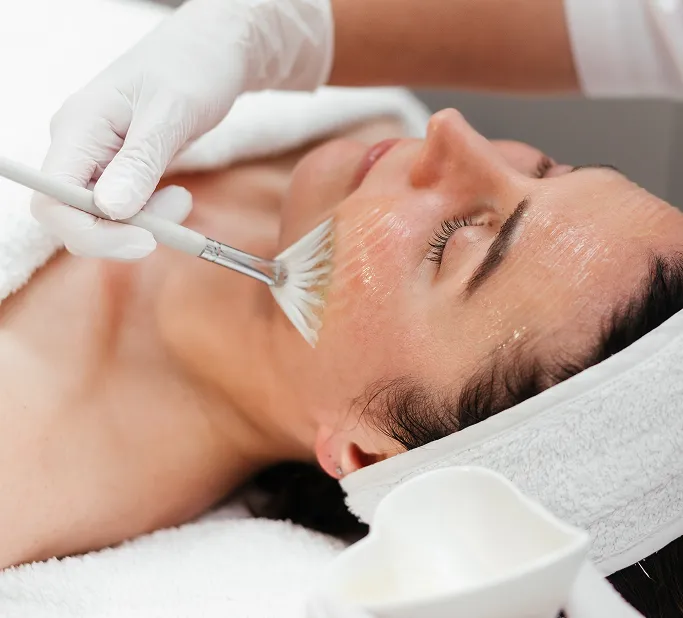
Chemical peels are a medical-grade dermatological procedure in which a specialised chemical solution is applied to the skin's surface to induce a controlled injury. By intentionally removing the damaged or dull outer layers of skin, the treatment promotes epidermal renewal and, in selected cases, may stimulate dermal remodelling.
At TSN Dermatology, we utilise a range of pharmaceutical-grade peeling agents, including alpha-hydroxy acids (AHAs), beta-hydroxy acids (BHAs), and trichloroacetic acid (TCA), to provide precision resurfacing. Unlike over-the-counter exfoliants, our clinical peels are formulated to penetrate at a controlled depth, ensuring that we remove enough damaged tissue to trigger clinically meaningful improvement without the unpredictability of at-home products. This precision allows us to achieve clinical results in texture, tone, and clarity with an established safety profile when appropriately selected.
What Are Chemical Peels Used For?
Chemical peels are versatile medical-grade tools used to address a wide spectrum of dermatological concerns. By precisely controlling the depth of exfoliation and structural remodelling, we can treat everything from active breakouts to advanced signs of photoaging.
Mild Acne and Superficial Acne Scars
For patients struggling with persistent congestion or the shadows left behind by acne, chemical peels are generally effective.
-
Active Acne
Beta-hydroxy acids (like salicylic acid) are lipophilic, meaning they penetrate deep into the pore to dissolve trapped oil and debris, effectively clearing the path to help reduce oil build-up and congestion. -
Superficial Scars
Chemical peels may improve very superficial textural irregularities and post-acne marks. Deeper atrophic scars typically require other treatment modalities such as lasers or microneedling.
Pigmentation and Discolouration
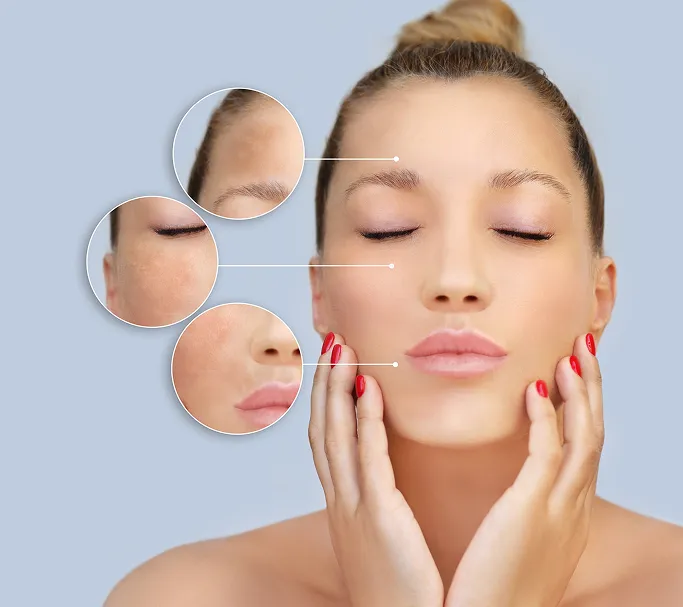
Chemical peels are an established treatment for breaking up hyperpigmentation by accelerating the turnover of melanin-loaded cells.
-
Sun Spots (Lentigines)
Peels target the localised pockets of melanin caused by years of UV exposure, lifting these spots to reveal a more even tone. -
Melasma
In cases of superficial melasma, often triggered by hormonal shifts, carefully selected peels may help reduce the intensity of pigmentation in selected cases. However, melasma is a chronic condition and recurrence is common. -
Post-Inflammatory Hyperpigmentation (PIH)
Peels help fade those stubborn brown marks left behind after an acne flare or skin injury, allowing your natural skin tone to return more quickly.
Sun-Damaged Skin
Years of exposure to Singapore's intense tropical sun can result in a buildup of damaged, disorganised skin cells.
-
Actinic Keratoses
These are precancerous, rough, scaly patches caused by long-term sun exposure. In selected cases, medium-depth chemical peels may be used as part of field treatment to improve areas of sun-damaged skin with actinic keratoses. -
Overall Texture
A series of peels can improve rough texture often associated with photo-damaged skin, restoring a softer, more pliable feel.
Aged Skin: Fine Lines and Wrinkles
Chemical peels can help combat the structural thinning that defines ageing skin.
-
Fine Lines
By triggering the body to produce new collagen and elastin, peels may help soften fine lines around the eyes, mouth, and cheeks. -
Textural Rejuvenation
As we age, our skin cells turn over more slowly, leading to a dull, uneven appearance. A chemical peel acts as a biological accelerator, pushing out those tired, slow-moving cells to reveal the fresh, vibrant skin that lives underneath.
How Do Chemical Peels Work?
Chemical peels operate on the principle of controlled epidermal separation. In skin concerns like acne scarring, hyperpigmentation, or fine lines, the surface layer (the epidermis) often harbours disorganised cells, trapped debris, or uneven pigment distribution. When our specialised chemical solution is applied, it breaks the protein bonds (desmosomes) that hold these damaged cells together.
This triggers a three-fold therapeutic process:
Exfoliation
The chemical solution gently dissolves the glue holding the outermost layer of dead or damaged skin cells, causing them to shed in a controlled manner.
Activation
The removal of this surface layer signals the deeper, living cells in the basal layer of the epidermis to multiply and migrate upward at an accelerated rate, helping to improve the rate of skin renewal.
Remodelling
As the epidermis is shed, the underlying dermis perceives a controlled, superficial injury. In response, fibroblasts are activated to produce new collagen and elastin fibres, which help to firm the skin, soften fine lines, and smooth out structural irregularities from within.
By precisely controlling the duration of contact and the concentration of the peel, we can tailor the depth of this injury to match your specific needs, whether you require a light glow for dullness or a deeper resurfacing to tackle more significant textural concerns.
How Are Chemical Peels Performed at TSN Dermatology?
The clinical procedure for a chemical peel at TSN Dermatology is a highly controlled, precise process designed to balance efficacy with patient comfort. We move through each stage with careful monitoring to ensure that the chemical agent acts only on the targeted layers of your skin.
The Procedural Steps
- Clinical Cleansing
We begin by removing all surface oils, cosmetics, and impurities with a professional degreasing agent. This ensures that the peeling solution can penetrate the skin uniformly, preventing patchy results. - Controlled Application
Your dermatologist applies the chemical agent, calibrated specifically for your skin concerns, in a series of precise, layered applications. During this phase, you may feel a warm, tingling, or mild stinging sensation. This is a normal sign that the active ingredients are interacting with your skin cells.
- Real-Time Monitoring
Unlike at-home peels, we monitor your skin's biological response in real-time. We observe the endpoint, the visual changes in your skin that tell us the peel has reached the correct depth for your treatment goals. - Neutralisation or Removal
Once the desired effect is achieved, we terminate the chemical reaction. Depending on the agent used, this involves either applying a neutralising solution that immediately halts the acid's activity or carefully rinsing the skin with clinical-grade water.
Expected Recovery by Peel Depth
The recovery experience varies depending on the intensity of the treatment. Our goal is to ensure you feel supported throughout every phase of the healing process.
Superficial Peels (Lunchtime Peels)
These peels are designed for minimal disruption to your daily life.
- Immediate Aftermath
You may experience mild facial redness, similar to a light sunburn, which typically lasts 1 to 3 days. Many patients are able to return to work or social activities shortly after treatment. - Home Care
Keep the skin hydrated with a gentle, non-foaming cleanser and a frequent application of the medical-grade moisturiser we prescribe. - Sun Protocol
Your skin will be extra sensitive. You should avoid direct sun exposure for at least 1 week and use a broad-spectrum, SPF 50+ sunscreen daily.
Medium-Depth Peels
These treatments target deeper structural issues and require a more intentional recovery period.
- Inflammatory Response
Expect more pronounced redness, tightness, and mild swelling. These effects are a natural part of the skin's deeper remodelling process and typically persist for a longer duration than superficial peels. - Managing Surface Changes
While crusting is infrequent with modern superficial agents, it can occur with medium-depth peels. If crusting appears, keep the area protected with a prescribed healing ointment or other post-procedure care as advised. - Commitment to Healing
During the 7–14 days of active healing, it is imperative to avoid harsh active ingredients (like retinoids or Vitamin C) and to strictly follow your dermatologist's post-care instructions.
Patient Preparation & Aftercare for Chemical Peels
To ensure you receive the maximum therapeutic benefit from your chemical peel, we have established clear guidelines for both before and after your procedure. Proper management is essential to optimise your skin's healing, ensure a uniform exfoliation process, and protect your newly revealed, sensitive skin from potential complications.
Pre-Treatment Preparation: Getting Your Skin Ready
Your skin's condition on the day of treatment significantly influences how it reacts to the chemical agent.
-
Clean and Clear Skin
Please ensure the area to be treated is free of any creams, lotions, perfumes, or cosmetics upon arrival. This allows for an even application of the peeling agent. -
Pause Active Skincare
For 5-7 days prior to your session, you must pause the use of all active skincare, including retinoids (Retin-A, retinol), prescription acne topicals (e.g., benzoyl peroxide, adapalene), and exfoliating acids (AHAs/BHAs). Using these too close to your treatment can lead to over-sensitivity or an uneven peel. -
Sun Protection & Tanning
Avoid deliberate sun exposure or tanning beds for at least 2 weeks before your procedure. If you have a fresh tan or a sunburn, the treatment may need to be postponed, as these conditions significantly increase the risk of pigmentation changes. -
Medication Awareness
Please inform our team of any medications or supplements you are taking. Specifically, if you have a history of cold sores, we may prescribe a preventative anti-viral medication to be started before your peel, as the skin's stress response can occasionally trigger an outbreak.
Post-Treatment Aftercare: Supporting the Healing Process
Once your session is complete, your skin enters a delicate phase of shedding and renewal. Following these steps is vital to maintaining a smooth, healthy result.
-
The No-Pick Rule
As your skin sheds, you may notice flaking or tight, dry patches. Do not pick, scrub, or manually peel off these flakes. Allow the skin to shed naturally over 3-7 days. Forcibly removing flakes can lead to scarring, persistent dark spots (post-inflammatory hyperpigmentation), or infection. -
Gentle Routine
For the first week, simplify your regimen. Use only a mild, non-foaming cleanser and the medical-grade healing balm we provide. Avoid toners, scrubs, and all anti-ageing activities until your skin has fully returned to its normal, non-sensitive state. -
Strict Sun Protection
Your newly revealed skin is extremely vulnerable to UV radiation. In Singapore's tropical climate, you must use a broad-spectrum, non-comedogenic SPF 50+ sunscreen every single day, wear a wide-brimmed hat, and seek shade whenever possible. UV exposure is a major cause of post-treatment pigmentation and can lead to prolonged hyperpigmentation that may affect results. -
Avoid Excessive Heat
For the first 48 hours, avoid environments that induce intense sweating, such as saunas, steam rooms, hot yoga, or high-intensity cardio, as these can trigger inflammation and irritation. -
Consistency Is Key
Chemical peels work best as a series. The results are cumulative, meaning each session builds upon the last to refine your skin's texture and tone. If you have a scheduling conflict, please contact our clinic coordinator as soon as possible so we can maintain your optimal treatment interval.
FAQs About Chemical Peels
Most patients describe the sensation as a tingling or spicy heat as the solution is applied. The intensity depends on the depth of the peel. We use cooling techniques and specialised neutralisers to manage this sensation. If you have a lower pain threshold, please let us know during your consultation, as we can adjust the protocol to ensure you remain comfortable.
Depending on the depth of your peel, you may experience light flaking, similar to dry skin after a sunburn, or more visible peeling. This typically begins 2-3 days after the procedure and can last for 3-7 days. It is essential to let this process happen naturally. Never pick, scrub, or peel off the skin manually, as this can create hot spots of inflammation, leading to persistent dark spots (hyperpigmentation) or scarring.
When we remove the outer layer of skin, the new, healthy skin underneath is in a highly active remodelling phase and is much more sensitive to UV radiation. Exposure to Singapore's tropical sun without proper protection can lead to a condition called Post-Inflammatory Hyperpigmentation (PIH), where the skin responds to the sun by creating dark, persistent brown patches. Think of your SPF 50+ as your most important post-peel active ingredient.
Chemical peels are safe for most skin types, but the type of acid and the concentration must be carefully chosen. Patients with darker skin tones (higher on the Fitzpatrick scale) have more active pigment-producing cells, which makes them more prone to pigmentation changes if the wrong peel is used. We specialise in selecting gentle, efficacious peels that provide results while respecting the specific needs of darker complexions.
Expert Dermatologist Care for Chemical Peels
If you are seeking treatment for concerns such as uneven skin tone, acne scars, or dull skin, a consultation with our specialists at TSN Dermatology Skin Specialist Clinic can help assess your skin condition and determine the most appropriate chemical peel procedure. A personalised treatment plan will be developed to focus on long-term skin health and quality of life. For more information or appointments, please contact us today.

Senior Consultant Dermatologist
Bachelor of Medicine, Bachelor of Surgery (MBBS)
Member of the Royal College of Physicians (United Kingdom)
Master of Medicine (Internal Medicine)
Fellow of the Academy of Medicine, Singapore (Dermatology)
Dr Koh Hong Yi is a Ministry of Health-accredited dermatologist with over 20 years of experience in medical, surgical and aesthetic dermatology.
He trained in Singapore and the UK, and is particularly interested in chemical peels, Mohs micrographic surgery, dermatologic surgery, skin cancer care, and inflammatory skin diseases.
Prior to private practice, he founded the Mohs Surgery Service at Singapore General Hospital and served as consultant dermatologist and Adjunct Assistant Professor with Duke-NUS Medical School, contributing to clinical research and education.
About Dr Koh
