
 +65 64766821
Get In Touch
+65 64766821Book An Appointment
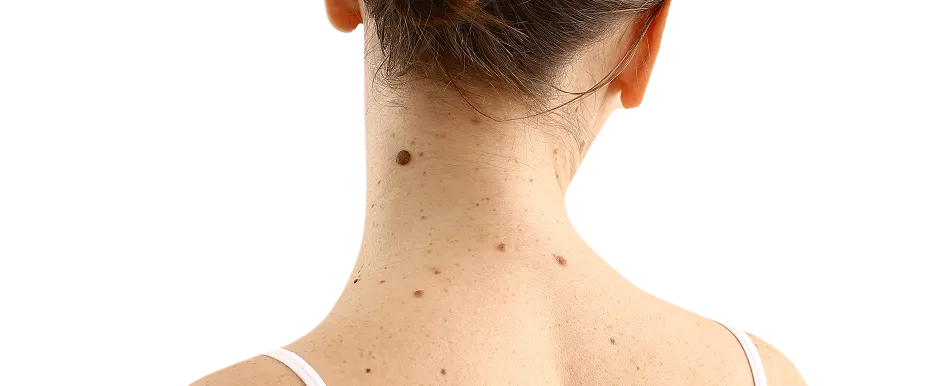
Skin Cancer Surgery in Singapore

Dr Koh Hong Yi
Senior Consultant Dermatologist
 MBBS (Singapore), MRCP (UK), MMed (Internal Medicine), FAMS (Dermatology)
Dr Tham Siew Nee
Senior Consultant Dermatologist
MBBS (Adelaide), MMed (Internal Medicine), FAMS (Dermatology)Skin cancer surgery is one of the most effective treatments for removing cancerous skin lesions while preserving as much healthy skin as possible. The goal of surgery is to completely remove the cancer cells and reduce the risk of recurrence. Depending on the type, size, and location of the skin cancer, different surgical techniques may be recommended to achieve the best clinical and cosmetic outcome.
At TSN Dermatology Skin Specialist Clinic, skin cancer surgery is performed by experienced dermatologists with training in dermatologic surgery. Careful assessment is carried out before the procedure to determine the most appropriate surgical approach. Treatment plans are tailored to each patient to ensure effective removal of the cancer while supporting optimal healing and skin recovery.



Understanding Skin Cancer
Skin cancer occurs when abnormal skin cells grow uncontrollably, usually as a result of damage to the skin's DNA. This damage is most commonly caused by prolonged exposure to ultraviolet (UV) radiation from the sun or tanning devices. Over time, these abnormal cells can multiply and form cancerous growths on the skin.
There are several types of skin cancer, with the most common being basal cell carcinoma, squamous cell carcinoma, and melanoma. These cancers can appear in different forms, such as new growths, sores that do not heal, or changes in existing moles or skin lesions.
Early detection and treatment are important, as many skin cancers can be treated effectively when diagnosed at an early stage. Regular skin checks and prompt evaluation of suspicious skin changes can help ensure timely diagnosis and management.
How Is Skin Cancer Diagnosed?
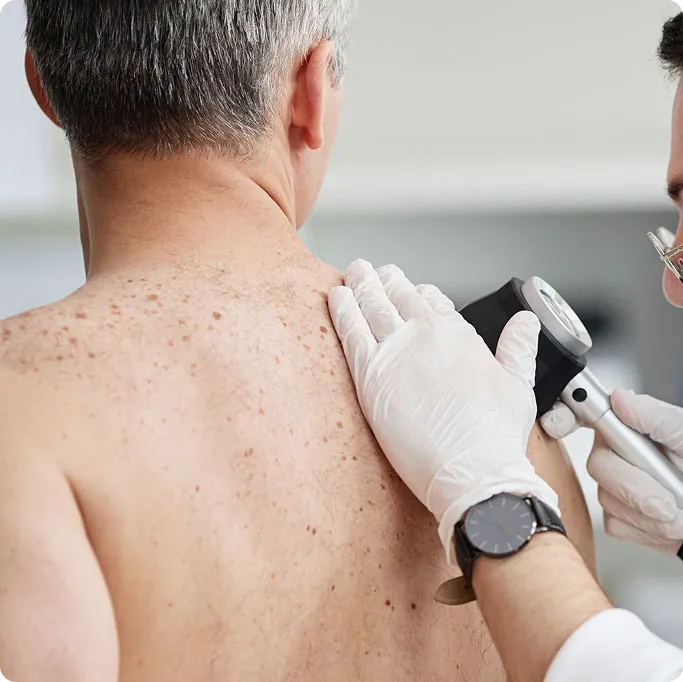
Skin cancer is usually diagnosed through a combination of clinical examination and laboratory testing. A dermatologist will assess the appearance of suspicious skin lesions and may recommend further tests to confirm the diagnosis.

Medical history and Skin Assessment
Dermoscopic Examination
Skin Biopsy
Laboratory Analysis
Diagnosis and Treatment Planning
When Is Surgery Needed for Skin Cancer?
Surgery is commonly recommended when a skin cancer needs to be completely removed to prevent it from growing further or spreading to surrounding tissues. The aim of surgery is to remove the cancerous lesion together with a margin of healthy skin to ensure that all cancer cells are eliminated.
For many types of skin cancer, surgical removal is considered one of the most effective treatment options.
The need for surgery depends on several factors, including the type of skin cancer, its size and depth, and where it is located on the body. Surgery may be recommended after a biopsy confirms the diagnosis, particularly for cancers that continue to grow, change in appearance, or occur in areas where precise removal is important, such as the face.
Your dermatologist will carefully evaluate your condition and recommend the most appropriate surgical approach based on your individual case.
What Is Skin Cancer Surgery?
Skin cancer surgery is a medical procedure performed to remove cancerous or potentially cancerous skin lesions. The main goal of the surgery is to completely remove the abnormal cells while preserving as much healthy surrounding tissue as possible. In many cases, surgical removal allows the cancer to be treated effectively and reduces the risk of it returning.
Depending on the type, size, and location of the skin cancer, different surgical techniques may be used. These procedures are usually performed under local anaesthesia and are planned carefully to ensure complete removal of the cancer while supporting proper healing and optimal cosmetic outcomes. Your dermatologist will recommend the most appropriate surgical method based on the specific characteristics of the skin cancer.
Common Types of Skin Cancer Surgery
Several surgical techniques may be used to treat skin cancer, depending on the type of cancer, its size, depth, and location on the body. The choice of procedure is carefully determined to ensure complete removal of cancer cells while preserving as much healthy skin as possible.
Surgical Excision
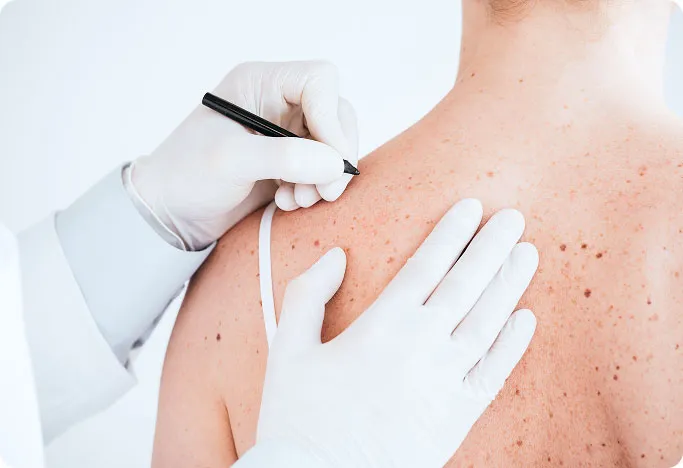
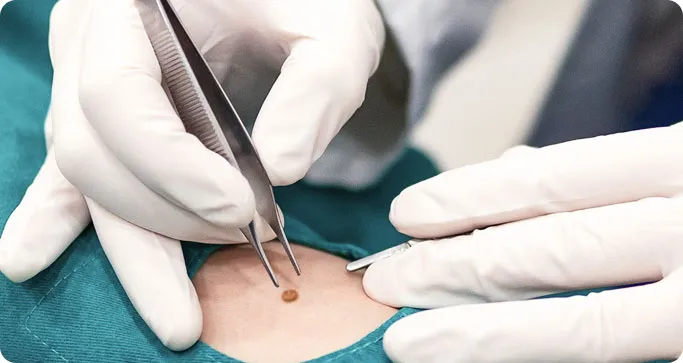
This is one of the most common methods used to remove skin cancer. The dermatologist surgically removes the cancerous lesion along with a small margin of surrounding healthy skin to ensure that all cancer cells are eliminated. The wound is then closed with stitches.
Mohs Micrographic Surgery
Mohs surgery is a specialised technique often used for skin cancers located on cosmetically or functionally important areas such as the face. During the procedure, thin layers of cancerous tissue are removed and examined under a microscope one layer at a time until no cancer cells remain. This method helps preserve healthy tissue while ensuring complete cancer removal.
Curettage and Electrosurgery
For certain superficial skin cancers, the dermatologist may remove the cancerous tissue using a curette (a small surgical instrument) and then apply controlled electrical current to destroy remaining cancer cells and stop bleeding.
Skin Biopsy With Complete Removal
In some cases, the entire suspicious lesion may be removed during a biopsy procedure. If the laboratory results confirm that the cancer has been completely excised, no further surgery may be required.
What to Expect Before and After Skin Cancer Surgery
Understanding how to prepare for your procedure and how to care for your skin afterwards can help ensure a smoother surgical experience and support proper healing. Your dermatologist will provide detailed guidance tailored to your treatment and the location of the surgery.

Preparing for Skin Cancer Surgery
Before the procedure, your dermatologist will provide instructions to help ensure the surgery is performed safely and smoothly. Preparation may include:
-
Medical Assessment
Your dermatologist will review your medical history, current medications, allergies, and any existing health conditions. This helps ensure the procedure can be performed safely and allows your doctor to plan the most appropriate surgical approach. -
Skin Examination
The dermatologist will examine the affected area carefully and mark the treatment site. This step helps ensure the correct lesion is removed and allows the surgeon to plan the margins needed to completely remove the cancer. -
Medication Guidance
You may be advised to temporarily avoid certain medications or supplements that can increase bleeding risk, such as blood thinners, aspirin, or herbal supplements. Always follow your doctor's advice before stopping any medication. -
Skin Preparation
You may be asked to keep the treatment area clean before your appointment and avoid applying creams, skincare products, or makeup on the day of surgery. This helps reduce the risk of irritation or infection.
Aftercare and Recovery
Following surgery, proper wound care is important to support healing and reduce the risk of infection. Your dermatologist will provide specific aftercare instructions, which may include:
-
Wound Care
You will be given instructions on how to clean the surgical site, apply dressings, and keep the wound protected while it heals. Proper wound care helps prevent infection and supports healthy skin recovery. -
Managing Swelling or Discomfort
Mild redness, swelling, or tenderness around the treated area is common after surgery. Your dermatologist may recommend simple measures such as cold compresses or prescribed medication to help manage discomfort. -
Activity Restrictions
You may be advised to avoid strenuous exercise, heavy lifting, or stretching the treated area while the wound is healing. Limiting certain movements helps prevent tension on the surgical site and supports proper wound closure. -
Sun Protection
Protecting the healing skin from sun exposure is important to reduce the risk of pigmentation changes and minimise visible scarring. Your dermatologist may recommend covering the area or using sunscreen once the skin has healed sufficiently. -
Follow-up Appointments
You may need to return to the clinic for wound checks, stitch removal, or to review the pathology results. These visits allow your dermatologist to monitor healing and ensure the cancer has been fully treated.
FAQs About Skin Cancer Surgery
Any surgical procedure that involves cutting the skin will result in a scar. However, dermatologic surgery is performed using techniques that aim to minimise scarring while ensuring the complete removal of the cancer.
The size and appearance of the scar will depend on factors such as the size and location of the lesion, the type of surgery performed, and how your skin heals. Over time, most scars gradually become less noticeable.
Skin cancer surgery is usually performed under local anaesthesia, which numbs the treatment area. This means you should not feel pain during the procedure, although you may feel some pressure or movement.
After the surgery, mild soreness or tenderness around the surgical site is common, but this is typically manageable with simple pain relief and usually improves within a few days.
Recovery time varies depending on the size and location of the surgery and the type of procedure performed. Many patients can return to their normal daily activities within a day or two, although strenuous activities may need to be avoided for a short period.
If stitches are placed, they are usually removed within one to two weeks, and the skin will continue to heal and mature over the following weeks.
For small, simple excisions, many patients are able to return to sedentary work the following day. If your surgery is on a high-tension area (like the back or limbs) or involves complex facial reconstruction, we may recommend a few days of rest to ensure the wound remains undisturbed and heals correctly.
Yes, follow-up appointments are usually recommended after skin cancer treatment. These visits allow your dermatologist to monitor the healing of the surgical site and check for any signs of recurrence or new skin cancers.
Regular skin examinations are important because patients who have had skin cancer may have a higher risk of developing additional skin cancers in the future. Your dermatologist will advise how often you should return for skin checks.
Seek Proper Dermatologist Care for Skin Cancer Surgery
If you or your child are experiencing Skin Cancer, a consultation with our specialists at TSN Dermatology Skin Specialist Clinic can help clarify the diagnosis and establish an effective, personalised treatment plan focused on long-term skin health and quality of life. For more information or appointments, please contact us today.

Senior Consultant Dermatologist
Bachelor of Medicine, Bachelor of Surgery (MBBS)
Member of the Royal College of Physicians (United Kingdom)
Master of Medicine (Internal Medicine)
Fellow of the Academy of Medicine, Singapore (Dermatology)
Dr Koh Hong Yi is a Ministry of Health-accredited dermatologist with over 20 years of experience in medical, surgical and aesthetic dermatology.
He trained in Singapore and the UK, and is particularly interested in skin cancer surgery, Mohs micrographic surgery, dermatologic surgery, skin cancer care, and inflammatory skin diseases.
Prior to private practice, he founded the Mohs Surgery Service at Singapore General Hospital and served as consultant dermatologist and Adjunct Assistant Professor with Duke-NUS Medical School, contributing to clinical research and education.
About Dr Koh
